
Dear Osa friends,
In my last post, I mentioned briefly the meandering energy of summer, and how it beckons us to try new things or go in new directions, without any pressure or expectation. As the solstice passed over the weekend and we are now fully in the summer season, I have been thinking about summertime vibes even more, and this week I’m offering a few ideas for you to try on, if you like, for the purpose of lightening your mood and welcoming a spirit of experimentation into your eating and your life! As always, I love your feedback, questions, and ideas for future blogs. Enjoy!
Summer Mood & Food!
This week I’m sharing three ideas to lighten your spirit and leverage your nutrition this summer using food and mind-body medicine. I hope you find at least one of these useful!
1. Bring Prebiotics to Your Plate
Have you noticed that your mood is affected by what you eat?
We previously talked about benefits to our immune system that can result from improved microbiome health, and these include more controlled inflammation, reduced pain, less chronic disease, even less food sensitivities and allergies. In addition to this, the gut-brain connection is an increasingly interesting and growing area of mental health research, and the gut microbiome (the collection of mostly bacteria but also fungi, viruses, and archaeae colonizing the intestines) is at the center of this research.1 It is increasingly understood that the gut-brain axis is a two-way street, whereby the gut and the brain can each influence the activity of the other in ways that we feel in our daily lives.
A recent review examining this body of research concluded that galactooligosaccharides (GOS), when given at a dose of 5 grams per day, can help alleviate depressive symptoms in many people.2
What exactly are GOS? Like other oligosaccharides, which can be recognized by similar acronyms like FOS and XOS, these are long chains of carbohydrates (essentially: sugars) which are indigestible by the human body and are perfect food for beneficial microbes living in the large intestines.
To cite a specific study example, a 2015 placebo-controlled study involving 45 adult males and females found that 5.5 grams per day of GOS over just 21 days significantly reduced the cortisol awakening response (a marker of stress) and decreased attention to negative information, whereas fructooligosaccharides (FOS) did not have either of these effects.3 I think we could probably all benefit from reduced negativity bias! The GOS used in this study is sold under the brand name Bimuno but has become next to impossible to find in the U.S. Fortunately, GOS are naturally occurring in a variety of legumes and nuts, including black beans, lentils, almonds, hazelnuts, and flaxseeds. (Did you need another reason to eat flaxseeds? 😉)
While many studies employ supplements in an attempt to isolate the effect of a single ingredient, the 2023 “Gut Feelings” randomized controlled trial employed a food-based prebiotic intervention for 8 weeks and compared its effects on various measures of wellbeing to the effects of a probiotic supplement and a “synbiotic” which combined the probiotic with the prebiotic intervention.4 Participants were 119 adults experiencing “moderate psychological distress” and had low prebiotic food intake at baseline. This study found that a diet rich in prebiotic foods improved mood, anxiety, stress, and sleep, whereas the synbiotic intervention and probiotic supplement did not have any measurable beneficial effects, interestingly.
By using a dietary intervention that involved asking participants to choose seven servings daily from a list of high-prebiotic foods, this study employed not only GOS but a wide variety of prebiotic fibers and co-occurring phytochemicals. Seven servings may sound like a lot, but the serving sizes were moderate: for example, 1 clove of garlic, 1 baby beet, 1 tablespoon nut butter, and 1 slice of melon each counted as one serving. Eating this way can help crowd out the less nutritious foods in one’s diet and finally reach those fruit and veg goals! If you’re curious, you can find the list of foods utilized by this study by clicking the link to the supplementary materials found within the text of the study, or send me an email and I will send you a PDF copy!
All that said, if you have sensitivity to FODMAPs due to infection or other gut damage, a GOS supplement is likely better tolerated than whole food sources while your gut heals, and you can easily control your dose this way as well, starting very low and and titrating up over time with the help of a practitioner, with the goal of eventually incorporating whole food sources back into your diet.
2. Bring on the Bitter
Do you love bitter, or does it make you cringe?
In Chinese medicine, bitter foods are a perfect tonic for summertime because they are considered to be cooling and drying to the body. They are yin, a complementary balance to summer’s yang energy.
Western medicine recognizes bitter foods as particularly beneficial for digestion, although bitter compounds convey a wide variety of other health benefits as well.5 In terms of digestion, they stimulate both stomach acid and bile production, boosting our bodies’ ability to derive nutrients from the foods we eat, and this can be particularly helpful when our bodies are stressed by hot weather.
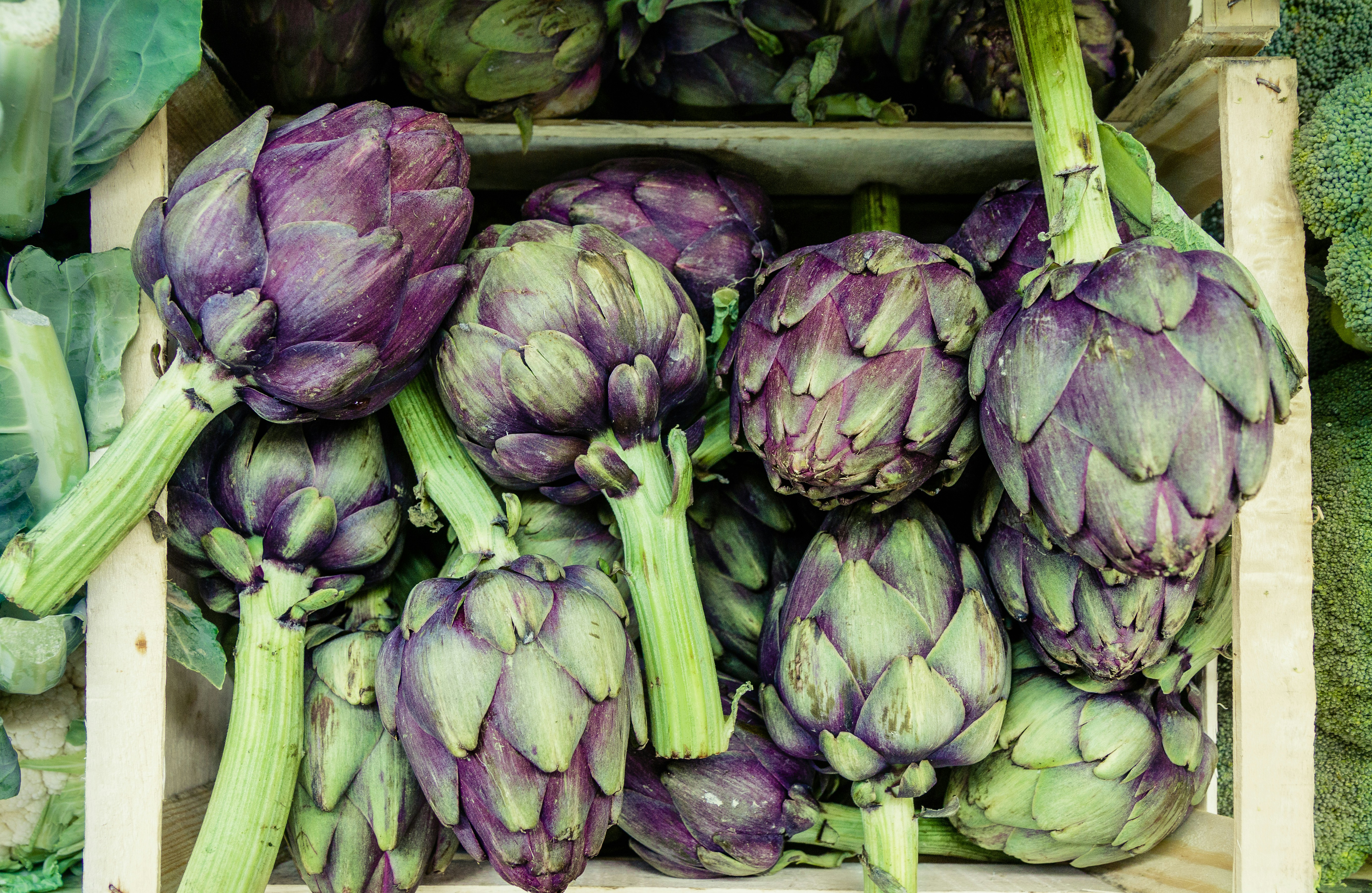
This is your chance to relish that cold brew coffee and possibly that cold beer or alcohol-free herbal-infused alternative, such as Ghia. (No affiliation, I just like it!). Most lettuces have bitter qualities, and summer is the perfect time for all sorts of salads. Citrus rinds also have great bitterness with a hint of sweet. Try adding a bit of lemon, lime or orange zest to your water. Artichoke is one of my favorite bitter foods because I enjoy its flavor and texture, and in addition to being a great bile stimulant, it also boasts prebiotic fibers in its bit-sized package. Canned or jarred varieties are super convenient to add to salads or to enjoy as a blood sugar-friendly snack with some olives and nuts.
3. Cut Yourself Some Slack. For real!
It’s been a while since we talked about self-compassion, and I’m bringing it back this month. Why? Well, I think the free-flowing energy of summer invites us to relax the pressure we often put on ourselves, and self-compassion is a tool that helps us to do this.
The paradox of self-compassion is that when we choose to cut ourselves some slack, we can actually be more productive and successful in our pursuits. How? In a nutshell, this can happen because self-compassion helps us build resilience and allows us the freedom to strive toward our goals with the understanding that setbacks are not, after all, a sign of our inadequacy, but part of the journey for everyone.
When we cultivate self-compassion, we become less defensive of our ego and less reliant on comparison with peers or validation from others to feel good or even just ok about ourselves. A leader in the field of self-compassion research, Dr. Kristin Neff, calls this reliance on comparative success “contingent self-worth,” and she notes that behavioral research has found that self-compassion reduces this contingency and stabilizes feelings of positive self-regard.6 This creates the resilience that allows us to overcome inevitable adversity and ultimately lead more fulfilling lives through personal growth.
To get an idea of how you are doing with your own self-compassion, I invite you to take Dr. Neff’s Self Compassion Test, which gives you an overall score and also subscale scores which allow you to see which specific areas of self-responding you can work on to strengthen your own self compassion. Try it to help to fuel success in your endeavors, improve your relationships, or simply to feel better on a day-to-day basis. You are worth it!
Wishing you cool and carefree moments this season,

References
- Berding, K., & Cryan, J. F. (2022). Microbiota-targeted interventions for mental health. Current opinion in psychiatry, 35(1), 3–9. https://doi.org/10.1097/YCO.0000000000000758 https://pubmed.ncbi.nlm.nih.gov/34750307/
- Yang, Y., Zhou, B., Zhang, S., Si, L., Liu, X., & Li, F. (2023). Prebiotics for depression: how does the gut microbiota play a role?. Frontiers in nutrition, 10, 1206468. https://doi.org/10.3389/fnut.2023.1206468 https://pubmed.ncbi.nlm.nih.gov/37485386/
- Schmidt, K., Cowen, P. J., Harmer, C. J., Tzortzis, G., Errington, S., & Burnet, P. W. (2015). Prebiotic intake reduces the waking cortisol response and alters emotional bias in healthy volunteers. Psychopharmacology, 232(10), 1793–1801. https://doi.org/10.1007/s00213-014-3810-0 https://pubmed.ncbi.nlm.nih.gov/25449699/
- Freijy, T. M., Cribb, L., Oliver, G., Metri, N. J., Opie, R. S., Jacka, F. N., Hawrelak, J. A., Rucklidge, J. J., Ng, C. H., & Sarris, J. (2023). Effects of a high-prebiotic diet versus probiotic supplements versus synbiotics on adult mental health: The “Gut Feelings” randomised controlled trial. Frontiers in neuroscience, 16, 1097278. https://doi.org/10.3389/fnins.2022.1097278 https://pubmed.ncbi.nlm.nih.gov/36815026/
- Qiao, K., Zhao, M., Huang, Y., Liang, L., & Zhang, Y. (2024). Bitter Perception and Effects of Foods Rich in Bitter Compounds on Human Health: A Comprehensive Review. Foods (Basel, Switzerland), 13(23), 3747. https://doi.org/10.3390/foods13233747 https://pubmed.ncbi.nlm.nih.gov/39682819/
- Neff, K. D., & Vonk, R. (2009). Self-compassion versus global self-esteem: two different ways of relating to oneself. Journal of personality, 77(1), 23–50. https://doi.org/10.1111/j.1467-6494.2008.00537.x https://pubmed.ncbi.nlm.nih.gov/19076996/
Photo by Martin Adams on Unsplash